
Introduction
In Florida, polygraph tests, commonly known as lie detector tests, occupy a controversial yet persistent space at the intersection of law enforcement, private disputes, and judicial limitations. While popular culture may portray them as infallible truth-verifying tools, their usage in Florida is governed by nuanced legal frameworks, scientific skepticism, and professional guidelines. This overview explores how polygraph testing functions in the Sunshine State—from how it works and who administers it, to when it's permissible and how it’s regulated—providing readers with a grounded, long‑form guide on everything you need to know about polygraph tests in Florida.
Understanding the Science—and the Limitations of Polygraphs
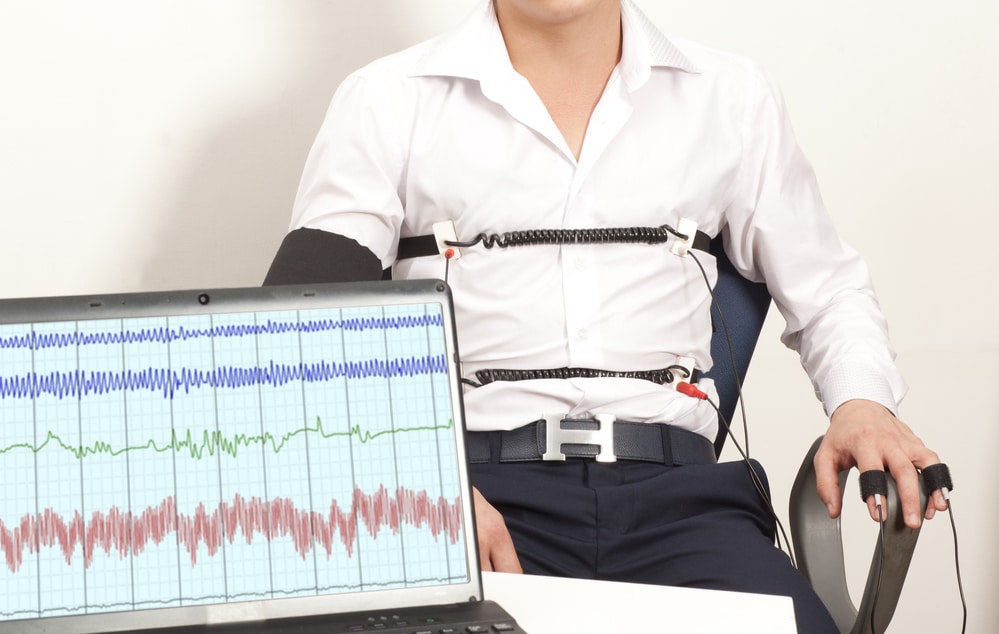
At their core, polygraph exams measure physiological responses—such as blood pressure, heart rate, respiration, and skin conductivity—while a subject answers a series of questions, operating on the assumption that deceptive answers produce distinct physiological reactions. However, there’s no specific physical response proven to indicate deception, making the device scientifically contested. Instead, polygraphs measure stress, which can be triggered by myriad factors such as anxiety, emotional state, or even health conditions unrelated to lying.
Comprehensive reviews by respected bodies like the National Academy of Sciences have concluded that although polygraphs may perform above chance in controlled experiments, real-world accuracy is considerably lower—and the tools remain vulnerable to countermeasures, where examinees consciously manipulate their physiology to skew results In Florida—and across the U.S.—polygraph tests are regarded as unreliable when it comes to judicial or legal determinations.
Legal Standing in Florida: Courts Clamp Down on Polygraph Evidence
Florida courts have firmly ruled that polygraph results are inadmissible as evidence as a matter of law, not simply subject to standards like Frye or Daubert. The Florida Supreme Court has been unequivocal: polygraph evidence lacks the reliability necessary for judicial proceedings, citing factors such as examiner skill, emotional state of examinees, machine fallibility, and the absence of a precise correlation between physiological and emotional states.
The consequence is clear: unless both parties pre-agree to admit the results—a rare and exceptional scenario—polygraph findings cannot influence court judgments or be introduced during trial.
Who Conducts Polygraph Tests in Florida—and How They Get Certified
One notable feature of Florida’s regulatory landscape is the absence of state licensing for polygraph examiners. Unlike other professions under the Florida Department of Business and Professional Regulation, polygraph practitioners are not formally licensed by the state. Instead, professional credibility often comes from voluntary certifications, such as those awarded by the Florida Polygraph Association (FPA), which promotes professionalism, standard training, and ethical standards within the field.
How Polygraphs Are Actually Used in Florida
- Law Enforcement Hiring: Agencies often use polygraph tests as part of background screening in recruiting new officers. These exams aim to verify honesty and personal history. Despite their common use in law enforcement contexts, results are not admissible in court and must remain part of internal processes.
- Sex Offender Supervision: Under Florida Statute § 948.30, individuals under probation or community control for sex offenses must undergo at least annual polygraph exams as part of ongoing treatment and risk management. These tests must be conducted by certified post-conviction polygraphers, and the examinee is responsible for payment.
- Private and Civil Situations: Individuals sometimes voluntarily seek polygraph testing—in cases involving infidelity, family disputes, immigration, or employment screening—by engaging APA-certified examiners at private firms located throughout Florida.
Lie Detector Test Locations
Florida
- Boca Raton – 9856 Clint Moore Road Suite C111-147, Boca Raton, FL
- Fort Lauderdale – 6750 North Andrews Avenue Cypress, Park West, Fort Lauderdale, FL
- Pensacola – 545 Brent Ln, Pensacola, FL
- West Palm Beach – 2054 Vista Parkway Emerald View, #400, West Palm Beach, FL
- Jacksonville – 10752 Deerwood Park Blvd Deerwood, Suite 100, Jacksonville, FL 32256
Federal Limits: The Employee Polygraph Protection Act (EPPA)
On the federal level, the places stringent restrictions on private employers requiring polygraph use. Generally, employers cannot ask applicants or employees to take lie detector tests or take adverse actions against them for refusal. Only limited industries—like security firms or pharmaceutical roles—are exempt. EPPA does not apply to federal, state, or local government agencies.
How Florida Police May Use Polygraphs—Even Though Courts Disallow Their Evidence
Despite their inadmissibility, polygraphs can still serve investigators during interrogations. Law enforcement may claim a suspect “failed” a polygraph—even if the result is unverified—to exert psychological pressure and elicit confessions. While this tactic isn’t prohibited, Florida Statute § 934.03 confirms that such evidence remains inadmissible in court.
Summary Table: Florida Polygraph Testing Overview
Final Thoughts
Lie detector tests and polygraph tests in Florida remain a deeply nuanced topic. While these tools continue to be used—especially within law enforcement and criminal justice settings—they are hampered by significant scientific limitations and are largely excluded from legal proceedings. Courtrooms don’t accept them, private employers are restricted in their use, and Florida law mandates certified practitioners for certain contexts like sex offender monitoring.